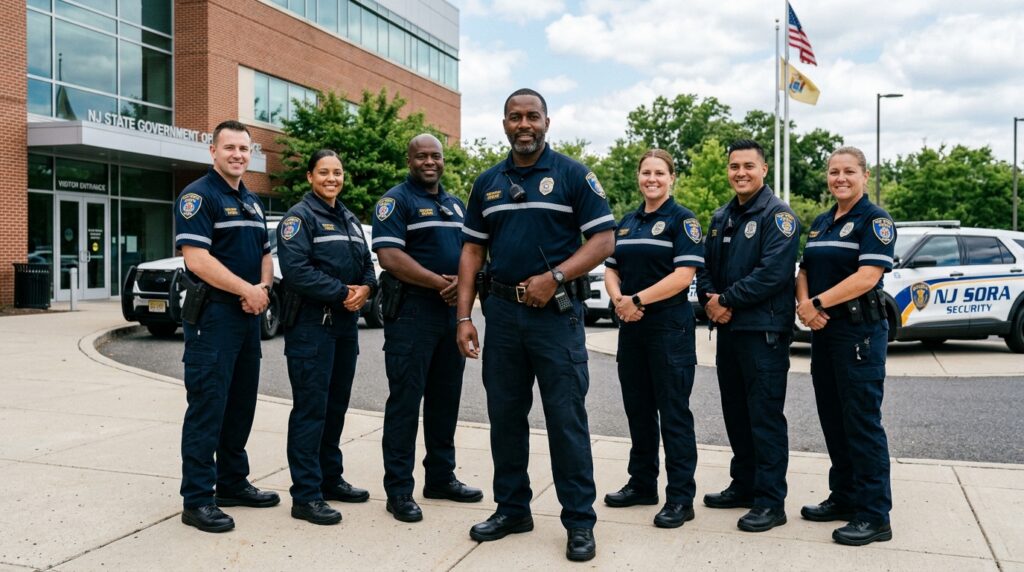
Starting a career in the security industry requires more than simply wearing a uniform and monitoring a location. Professional security officers need to understand safety procedures, communicate effectively, observe their surroundings, respond appropriately to incidents, and maintain accurate records. A quality SORA training class introduces students to many of the fundamental skills needed to work professionally in the security field.
For individuals interested in NJ SORA security certification, completing the required training can be an important step toward beginning a security career in New Jersey. Whether you are considering unarmed security work or exploring additional opportunities in armed security, developing the right skills can help you become more confident and prepared.
Understanding the Role of a Security Officer
One of the first skills developed through NJ SORA training is understanding the role and responsibilities of a security officer. Security professionals may work in commercial buildings, residential communities, retail locations, hospitals, schools, events, and other environments.
A security officer’s responsibilities can vary depending on the assignment. However, common duties may include monitoring an area, controlling access, observing activity, reporting incidents, assisting with emergency procedures, and protecting people and property.
Understanding these responsibilities helps students develop a professional mindset and recognize the importance of following assignment instructions and workplace procedures.
Observation and Situational Awareness
Strong observation is one of the most important security officer skills. Officers need to remain alert and recognize unusual behavior, potential hazards, unauthorized access, and other situations that may require attention.
Situational awareness means understanding what is happening around you and recognizing when something appears unusual. Officers should pay attention to people, vehicles, entrances, exits, environmental conditions, and changes in normal activity.
Good observation also involves remembering important details. When an incident occurs, accurate information about what happened, where it happened, and when it occurred can be valuable when preparing an incident report.
Communication Skills
Security officers regularly communicate with employees, visitors, customers, supervisors, emergency personnel, and members of the public. For this reason, communication is a key part of professional security work.
SORA students learn the importance of speaking clearly, listening carefully, remaining respectful, and reporting relevant information promptly. Communication becomes especially important when handling disagreements or stressful situations.
A calm and professional approach can help reduce confusion and prevent unnecessary escalation.
Incident Reporting and Documentation
Accurate reporting is another essential skill for security professionals. Officers may be required to document accidents, suspicious activity, property damage, disturbances, or other incidents that occur during their shift.
A useful report should be factual, organized, and easy to understand. Officers should focus on information they personally observed or information they received from identifiable sources rather than adding assumptions.
Strong documentation skills can help supervisors and clients understand what occurred and determine what follow-up may be appropriate.
Emergency Awareness and Response
Security officers may encounter emergencies such as fires, medical incidents, accidents, severe weather, or other unexpected situations. Training helps students understand the importance of staying calm and following established emergency procedures.
A security officer is not expected to handle every emergency independently. Knowing when to contact emergency services, supervisors, or other appropriate personnel is an important part of professional judgment.
The ability to assess a situation, communicate relevant information, and follow procedures is an important part of a guide for successful security officer development.
What Are the Four Important Points Security Guard Should Remember?
When performing security duties, four practical principles can help officers maintain professionalism:
- Stay alert: Avoid unnecessary distractions and remain aware of your surroundings.
- Follow procedures: Understand your assignment and follow established workplace policies.
- Communicate clearly: Share important information with supervisors and appropriate personnel.
- Document accurately: Record facts and observations without unnecessary assumptions.
These simple principles can help security officers perform their responsibilities consistently and professionally.
What Are the 5 C’s of Security Guard?
The five qualities that support effective security work: Courage, Communication, Courtesy, Common Sense, and Commitment.These qualities describe important characteristics of a dependable security professional. Courage involves remaining composed when facing challenging situations. Communication helps officers share information effectively. Courtesy supports respectful interactions with the public. Common sense encourages practical decision-making, while commitment reflects reliability and dedication to the job.
Understanding Professional Conduct
Security officers often represent their employer or security company while working with the public. Professional conduct is therefore an important part of the job.
Officers should maintain a professional appearance, communicate respectfully, follow instructions, and avoid unnecessary confrontations. Building positive relationships with employees, visitors, and clients can make security operations more effective.
Training helps students understand why professionalism, responsibility, and ethical behavior are important in the security industry.
NJ SORA Security Certification and Career Preparation
Individuals seeking NJ SORA security certification should understand the training and application requirements that apply to security officers in New Jersey. Completing the appropriate training is an important part of preparing for a career in private security.
If you are searching for NJ SORA security certification near me, consider evaluating training providers based on instructor experience, course structure, scheduling options, student support, and the information they provide about the certification process.
Before submitting a security license application, applicants should make sure they understand the current requirements and have the necessary information and documentation.
Online SORA Classes in New Jersey
For students who need flexible scheduling, online SORA classes New Jersey may be an appealing option when an approved course format is available. Online learning can make training more convenient for people balancing work, family, or other responsibilities.
However, students should confirm that the specific course meets current requirements before enrolling. Training formats and requirements can change, so checking current information is important.
What About Armed Security Training?
Some individuals may want to pursue careers in armed security. Armed positions involve additional responsibilities and may have requirements beyond standard security officer training.
Armed security training should be approached seriously because carrying and working with a firearm involves significant responsibilities. Anyone interested in an armed security position should understand the applicable training, licensing, and qualification requirements before pursuing this career path.
Completing basic SORA training should not automatically be considered authorization to perform armed security duties.
Building Strong Security Officer Skills
Completing SORA training is only the beginning of professional development. Successful officers can continue improving their communication, observation, report-writing, customer-service, conflict-management, and emergency-response abilities.
Reliability is also essential. Arriving on time, following post orders, maintaining awareness, and treating people respectfully can help build a strong professional reputation.
A security officer who combines technical knowledge with good judgment and communication skills can be better prepared to handle the variety of situations that may occur during a typical shift.
Conclusion
A SORA training class can provide aspiring security professionals with a foundation of knowledge and practical skills needed for the security industry. From observation and communication to documentation, emergency awareness, professional conduct, and decision-making, these skills can help students prepare for their future responsibilities.
Whether you are researching NJ SORA training, NJ SORA security certification, online SORA classes New Jersey, or opportunities in armed security, choosing appropriate training and understanding the applicable requirements are important steps toward building a successful career.
For more information about SORA training and security career preparation, visit njspsora.com.